
Is Beef Good for Dogs? What to Know Before You Feed It
Share
Beef is everywhere in the dog world, from kibble and wet food to treats, chews, and toppers. Because it’s such a common ingredient, it’s easy to assume it’s always a safe choice for dogs.
In this article, we’ll look at whether beef is actually good for dogs, when it can be a smart protein option, which forms are better than others, and what risks to watch for. Plus, we’ll cover how Redbarn beef products can fit into the picture.
Is Beef Good for Dogs?
Yes, beef can be good for dogs when it’s prepared properly and fed in the right form. It’s a common protein source in dog food because it can provide protein, essential amino acids, and other nutrients that support overall health.
Still, that doesn’t mean every kind of beef is a good idea. The biggest question is not just whether dogs can eat beef, but what kind of beef they’re eating. Plain cooked beef and a complete beef dog food formula are very different from corned beef, beef jerky, fried meat, or fatty leftovers.
Beef can be a healthy and nutritious addition when it supports your dog’s diet instead of taking it over. The key is to choose simple forms, avoid risky extras, and pay attention to how your dog’s digestive system responds.
When Beef Can Be a Smart Choice
For many dogs, beef can work well as part of a balanced diet. It can be a familiar, satisfying protein that fits easily into meals or treats.
Some dogs also do well with beef because it’s widely available in complete dog food formulas and easy for pet parents to find. When served in the right form, dog beef options can be practical, flavorful, and easy to work into a normal feeding routine.
Why Beef Works for Many Dogs
Many dogs enjoy the taste of beef and do well with it in regular feeding. Because beef is a red meat with a rich flavor, it may be especially appealing to picky eaters or dogs that seem bored with their usual meals.
Beef can also be a practical option for dogs that tolerate beef well. Pet parents can find it in dog food, training treats, chews, toppers, and broth, which makes it easier to use beef in small, flexible ways instead of making a sudden diet change.
What Beef Brings to the Bowl
Beef can provide high-quality protein, essential amino acids, and nutrients that support normal body function. When it’s part of a complete and balanced diet, it may help support healthy skin, a healthy coat, steady energy, and a healthy immune system.
Beef also contains vitamins and minerals that play a role in everyday wellness. Some beef recipes include ingredients like beef liver, beef broth, or lean beef to add flavor and nutrition, but the full recipe matters more than one ingredient on the label.
Which Types of Beef Are Better Than Others?
This is where beef gets more complicated. Some forms of beef are simple and dog-friendly, while others are too rich, too processed, or too risky.
If you want to feed beef, plain and properly prepared is usually the best route. That keeps the focus on the beef protein itself instead of salt, seasoning, sauces, excess fat, or bones.
Better Beef Options
Plain cooked beef is one of the easiest ways to let dogs eat beef safely. Lean cuts served plain can work well in small amounts, especially when they’re unseasoned and trimmed of visible fat before serving.
Dogs can eat ground beef too, but cooked ground beef is easier to manage when the extra fat is drained off. Beef dog food that’s complete and balanced can also be a good everyday option because it’s designed to provide more than just meat.
Dog treats made with beef can be useful when you want a nutritious treat or training reward. The same goes for beef broth made for dogs, as long as it’s low in sodium and free from unsafe ingredients like onion or garlic.
Beef Forms That Need More Caution
Corned beef is one to be careful with because it’s typically very salty. So, can dogs eat corned beef? A tiny accidental bite may not cause trouble for every dog, but it’s not a smart food to offer on purpose because too much salt can be hard on dogs.
Beef jerky made for people is another risky choice. Many dogs eat beef jerky eagerly, but human-grade beef jerky often contains too much salt, sugar, spices, smoke flavoring, or other seasonings. Fried meat, heavily seasoned roast beef, and rich leftovers can also upset your dog’s stomach.
Bones are another major concern. Cooked table bones, cooked beef ribs, steak bones, rib bones, and other brittle bones can splinter or become a choking hazard. Raw bones also come with risks, so they’re not something to offer casually.
If you choose a bone-style chew made for dogs, follow the product’s feeding guide, choose the right size, supervise closely, and remove it if it breaks or your dog tries to swallow pieces.
Can Dogs Eat Raw Beef?
Some pet parents are interested in raw beef, but it’s not the simplest place to start. Raw meat comes with food safety concerns, and it may expose dogs and people in the home to harmful bacteria.
In fact, the FDA has found that raw pet food is more likely than other pet foods to be contaminated with disease-causing bacteria like Salmonella and Listeria monocytogenes. AAFCO also warns that raw foods can create cross-contamination risks for people in the home, especially children, older adults, and people with weakened immune systems.
So, can dogs eat raw beef? Some dogs may be fed a raw diet under close guidance, but that doesn’t make raw beef the best starting point for most families. If you’re wondering whether dogs can eat raw beef safely, the more practical answer is that cooked beef is usually easier to handle and less risky.
It’s also important to avoid assuming that “served raw” means more natural or more nutritious. Raw feeding takes planning, hygiene, and professional guidance. For most dogs, cooked beef or a complete-and-balanced dog food is a much safer and simpler option.
Can Beef Cause Problems for Some Dogs?
Even though beef works well for many dogs, it won’t be the perfect fit for every dog. Some dogs may struggle with rich foods, too much beef fat, or a beef allergy.
That’s why it helps to pay attention to your own dog’s digestion and not just the ingredient on the label. Most dogs can tolerate beef in the right form, but some do better with chicken, fish, lamb, turkey, or another protein.
When Beef May Not Be the Best Fit
Dogs with sensitive stomachs may not do well with fatty beef, rich beef treats, or heavily seasoned meat. If your dog gets loose stool, vomiting, gas, or discomfort after eating beef, that’s a sign to slow down or stop offering it.
Some dogs may also react better to another protein source if beef seems to trigger itching, ear issues, or digestive trouble. If your dog has repeated food reactions, food allergies, or a suspected beef allergy, it’s best to work with your vet instead of guessing.
Why Amount Still Matters
Too much beef can lead to digestive upset or unwanted weight gain, especially if it’s rich or fatty. Dogs eat beef best when it fits into the bigger picture, not when it becomes an overload on top of meals, treats, chews, and toppers.
But can dogs eat beef fat? While small amounts attached to lean, cooked meat might be fine for some dogs, it's best to be cautious. Fatty scraps and high-fat foods can be tough on their digestion and pack on more calories than your dog needs.
How to Feed Beef More Safely
If you want to add beef to your dog’s routine, keep it simple. Choose plain cooked beef, start with a small amount, and avoid the kinds of beef that are heavily processed or loaded with extras.
A gradual approach usually works better than a big jump. This is especially true if your dog is trying beef for the first time or has a sensitive stomach.
Start With Simple Preparation
Plain cooked meat is usually the safest place to begin. Skip heavy seasoning, sauces, onions, garlic, rich toppings, and salty marinades. Those extras may taste good to people, but they can make beef harder for dogs to handle.
If you’re trying ground beef, cook it thoroughly and drain off extra fat before serving. Cooked beef should be plain, portioned, and added in small amounts so you can watch for any changes in your dog’s stool, appetite, or comfort.
Keep the Whole Diet Balanced
Beef should fit into your dog’s overall diet, not take it over. That means thinking about how much beef your dog already gets from meals, treats, beef broth, chews, or toppers before adding more.
Balance matters more than piling on extra protein. Even a high-quality protein source can cause problems if it pushes your dog’s complete food aside or adds too many calories. If you’re unsure how much beef is right, your vet can help you adjust portions.
Redbarn Beef Options to Explore
Ready to find beef options made just for your dog? Redbarn makes it easy to work this protein into your dog’s day. Whether you’re looking for a small training reward, a longer-lasting chew, or a meal option, there are a few different ways to try beef.
For quick rewards, our Air Dried Beef Training Treats are a convenient choice. They’re made with 96% beef, beef lung, and beef liver, and each treat has just 2 calories, which makes them useful for training without going overboard.
Dogs that enjoy a longer chew may be a better match for our Beef Flavor Filled Bone. It’s made with a natural beef femur bone and a beef-flavored filling, and it’s designed to help satisfy a dog’s natural instinct to chew. As with any chew, make sure you monitor your dog and remove any pieces that could be swallowed.
If you’re looking for a food option, our Semi-Moist Rolled Food Beef Recipe gives you a flexible way to serve beef. It can be used as a full feed, food topper, training treat, or pill concealer, and it’s formulated to meet AAFCO Dog Food Nutrient Profiles for maintenance of adult dogs.
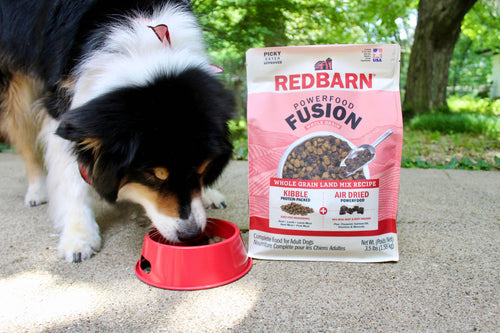
Another option to consider is our Air Dried Powerfood High Protein Beef Recipe. It’s made with beef, beef lung, and beef liver, has 35% minimum crude protein, and is formulated as a complete food for dogs, except for puppies expected to be 70 pounds or more as adults.
FAQs About Beef for Dogs
Is it okay to feed your dog cooked beef?
Yes, it’s okay to feed your dog cooked beef as long as it’s plain, fully cooked, and served in a reasonable amount. Cooked beef should never include onions, garlic, heavy salt, rich sauces, or greasy toppings.
If beef is new to your dog, start small and watch their response. Cooked ground beef with the extra fat drained off can be easier for some dogs to handle than rich cuts or fatty leftovers.
What is the healthiest meat for dogs?
There isn’t one healthiest meat for every dog. Beef, chicken, turkey, fish, and lamb can all be good for dogs when they’re prepared properly and included in a complete and balanced diet.
The healthiest choice depends on your dog’s age, activity level, digestion, allergies, and preferences. If your dog has food allergies, a sensitive stomach, or a medical condition, your vet can help you choose the best protein source.
What is the most fattening meat for dogs?
The most fattening meats are usually the ones with the highest fat content, especially fatty scraps, fried meat, and rich processed meats. The type of meat matters, but the cut, preparation, and portion size matter just as much.
Beef can be higher in fat depending on the cut, so lean beef is a better choice than fatty trimmings. If your dog needs to maintain a healthy weight, keep treats modest and avoid adding rich extras to their regular meals.
Key Takeaways
● Beef can be good for dogs. Beef can provide protein, essential amino acids, vitamins, and minerals when it’s prepared properly and included in a balanced diet. Plain cooked beef or a complete beef dog food formula is a better choice than salty, fatty, or heavily processed beef.
● Preparation matters. Cooked beef should be plain and simple. Avoid corned beef, human beef jerky, fried meat, heavily seasoned roast beef, fatty scraps, and anything made with ingredients that can harm your dog’s health.
● Raw beef carries extra risks. Raw beef and raw meat diets can expose dogs and people to harmful bacteria. If you’re considering raw feeding, talk with your vet first and make sure you understand the food safety concerns.
● Bones need caution. Cooked bones, steak bones, cooked beef ribs, rib bones, and other brittle bones can splinter or become a choking hazard. Chews made for dogs are a better option but should still be given with supervision.
● Redbarn offers several beef options. Your dog can enjoy our Air Dried Beef Training Treats, Beef Flavor Filled Bone, Semi-Moist Rolled Food Beef Recipe, and Air Dried Powerfood High Protein Beef Recipe. With so many choices, you can easily find the right treats, chews, toppers, or complete meals for your canine companion.
Is Beef a Good Choice for Your Dog?
So, is beef good for dogs? For many dogs, yes. Beef can be a nutritious, satisfying protein that supports overall health when it’s served plainly, portioned well, and included as part of a balanced diet.
The best approach is to keep beef simple and pay attention to your dog’s response. Choose cooked beef or dog-safe beef products, avoid raw beef and risky bones, and talk with your vet if your dog has food allergies, sensitive digestion, or ongoing symptoms.