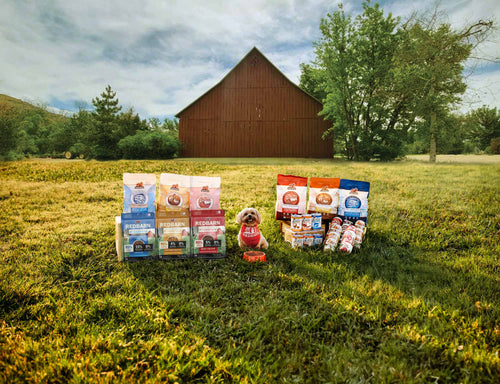

How Rotational Diets Add Variety to Your Dog's Meal
Adding variety to your dog’s bowl comes with plenty of benefits, from supporting mealtime excitement to helping keep even the pickiest dogs engaged. That happy tail wag at mealtimes is hard to beat!
Many dogs can experience food fatigue, just like we do. Offering a rotational diet can help make meals more enjoyable while introducing new flavors and textures they’ll love.
In the wild, dogs’ ancestors naturally ate a variety of protein sources based on what was available in their environment. As dogs became beloved members of the family, their diets shifted from a wide range of proteins to more consistent meals like kibble and canned food. Today, adding thoughtful variety to your dog’s routine can be a great way to bring some of that natural diversity back to the bowl while keeping mealtimes fresh and exciting!

What Is a Rotational Diet?
A rotational diet simply means varying your dog's diet by regularly switching one or more of the following:
- Protein sources
- Recipes
- Food formats
With Redbarn’s wide variety of premium recipes and meal options, it’s easy to add variety to your dog’s routine while sticking with the flavors they already love and the quality you trust. By staying within the Redbarn family, you know exactly what ingredients are going into your pup’s bowl and can feel confident in the nutritional standards behind every recipe.
It’s a simple way to keep mealtime exciting without the uncertainty that can come with switching to a different brand that may not share the same commitment to wholesome nutrition and quality.
The easiest part of rotational feeding is its flexibility. Whether you choose to rotate foods every few weeks, once a month, or whenever it's time to restock, the schedule should work for both you and your dog.
Benefits of a Rotational Diet
Adding variety to your dog's meals does more than make mealtimes exciting; it can also provide meaningful nutritional and wellness benefits. Beyond those extra tail wags, rotational feeding may help support your dog's overall health in several ways.
Keeps Mealtime Interesting
Just like humans, dogs can get tired of eating the same thing every day. Rotating foods introduces:
- New flavors
- New textures
- Different eating experiences
Wet and moisture-rich foods can add hydration to your dog's routine, while dry foods can provide the satisfying crunch many dogs enjoy.
Provides Nutritional Variety
No single ingredient source offers everything. Rotating proteins, recipes, and carbohydrate sources can help provide a broader spectrum of amino acids, vitamins, minerals, and other nutrients that support overall wellness.
Different proteins and ingredients contribute unique nutritional benefits, helping create a more diverse and balanced feeding routine over time.
May Help Reduce Food Sensitivities
Some nutrition experts believe that continuous exposure to the same primary protein source for long periods may contribute to food intolerance in certain dogs. Rotational feeding introduces variety and may help reduce the likelihood of overreliance on any single protein source.
Every dog is different, so it's important to work with your veterinarian if your dog has known food sensitivities or allergies.
Helps Picky Eaters Stay Engaged
If your dog has become less enthusiastic about mealtimes, food fatigue may be part of the reason. After ruling out medical concerns with your veterinarian, introducing new flavors, proteins, and textures can help renew their excitement around food.
How to Start Rotational Feeding
When deciding how often to rotate foods, consider your dog's age, breed, activity level, and individual dietary needs. There's no one-size-fits-all approach, so finding the right routine may take a little experimentation.
Start Slow
When introducing a rotational diet:
- Introduce new foods gradually and monitor your dog's response.
- Start with proteins, recipes, or food families your dog has successfully eaten before.
- As your dog adjusts, slowly branch out into new proteins and recipes.
If your dog is new to rotational feeding, adding a topper such as Redbarn Air Dried Powerfood or Rolled Food to their current kibble is an easy way to introduce variety. Both options can be served as a topper or as a complete and balanced meal.
Pay Attention to Nutrition and Calories
Not all recipes are created equally. When rotating foods:
- Compare calorie content between recipes and adjust portions as needed.
- Review of the Guaranteed Analysis (GA) panel.
- Recipes with similar protein, fat, and fiber levels are often easier for dogs to transition between.
Monitor Your Dog's Digestive Response
Whenever introducing a new food, we recommend transitioning gradually over the course of about a week while monitoring your dog's digestive and physical response.
Some of the first signs that food may or may not be agreeing with your dog include:
- Stool quality
- Frequency of bowel movements
- Flatulence
- Overall appetite and energy levels
Taking things slowly can help minimize digestive upset and make the transition more comfortable for your pup.
Find a Rotation Schedule That Works for You
Some pet parents like rotating foods seasonally, offering heartier recipes during cooler months and lighter options during warmer weather. Others rotate every few weeks or simply switch recipes whenever it's time to buy a new bag of food.
Pro Tip
A great time to introduce variety is when you're already restocking your dog's food ot just before your subscription renews. Rotating recipes during this natural transition makes the process simple and easy to manage.
Don't Forget Your Veterinarian
Pet parents often wonder if a rotational diet can upset their dog's digestive system. It's a fair question. Some dogs, depending on their breed, age, or individual sensitivities, may have more delicate digestive systems.
That's why it's always a good idea to consult your veterinarian before making significant dietary changes, especially if your dog has digestive sensitivities, food allergies, chronic health conditions, or other special dietary needs. They can help you determine the best approach for your dog's individual health and lifestyle.