
Can Dogs Eat Rib Bones? What Every Pet Parent Needs to Know About the Risks
Share
Rib bones are a common leftover from pork or beef ribs, and many dog owners wonder if they’re safe to share. After all, dogs love to chew, and bones seem like a natural treat.
But can dogs eat rib bones safely? In this article, we’ll explain the risks, look at cooked versus raw bones, review warning signs to watch for, and share safer alternatives that are made specifically for dogs.
Why Rib Bones Are More Dangerous Than They Look
The image of a dog happily chewing on a bone is everywhere, but that doesn’t mean all bones are safe for dogs. In reality, rib bones are one of the more dangerous types of animal bones you can give your dog. Here’s why they deserve extra caution:
They Splinter Easily
Rib bones are thinner and more brittle than larger, weight-bearing beef bones. Because of their structure, they’re more likely to splinter under pressure, especially when a strong chewer goes to work.
Cooked pork bones and beef rib bones are particularly likely to splinter. When they break apart, sharp bone fragments can cut a dog’s mouth or cause damage along the digestive tract. Those tiny pieces can lead to serious health issues if swallowed.
They Create a Serious Choking Hazard
Small rib bones can easily become stuck in a dog’s throat. The risk increases if your dog tries to swallow a large piece without fully chewing it.
A rib bone stuck in the throat is a serious emergency that requires immediate attention. Choking can block airflow, making it a life-threatening situation that may need urgent veterinary care.
Even if the bone clears the throat, there’s still a risk it could become stuck further down in the gastrointestinal tract, leading to other complications.
They Can Break Teeth
Hard animal bones can fracture a dog’s teeth, especially when the bone is dense or your dog chews aggressively. Rib bones may seem small, but they’re still tough enough to cause damage.
Broken teeth can be extremely painful for dogs and may even lead to infections if left untreated. Addressing these issues often requires dental procedures, extractions, and ongoing veterinary care.
It’s important to remember that dental problems don’t just affect your dog’s mouth – they can have a serious impact on their overall health.
Cooked or Raw: Are Any Rib Bones Safe?
Many pet parents wonder whether the danger comes from cooking. The cooked-or-raw debate is common, especially among those who feed raw bones as part of their dog’s diet. Let’s break down the differences.
Cooked Rib Bones: A Clear No-Go
Cooked rib bones are a clear no-go. When rib bones are cooked, whether baked, grilled, or smoked, they become brittle and are more likely to splinter.
Cooked pork rib bones and cooked beef rib bones can break into sharp pieces that can easily puncture the digestive tract. The risk of internal injury, obstruction, or bleeding increases significantly once rib bones have been cooked.
Raw Pork Bones and Raw Beef Rib Bones
Raw bones are less brittle than cooked bones, but that doesn’t make rib bones safe for dogs. Raw pork bones and raw beef rib bones can still break apart or become lodged in the throat or intestines.
There’s also the risk of bacterial contamination with raw pork. Raw pork may carry pathogens that can affect both dogs and humans handling the food. Even though some dogs eat raw diets, rib bones still pose a choking hazard and obstruction risk.
Why Rib Bones Are Different From Other Bones
Not all bones are equal. Larger beef bones from weight-bearing areas are denser and less likely to shatter compared to rib bones.
Rib bones are weaker bones by design. Their thinner structure makes them more prone to breaking under pressure. They weren’t built to withstand heavy chewing, which increases the risk that they’ll splinter or break into dangerous fragments.
What Happens If a Dog Eats a Rib Bone?
If your dog swallowed part of a rib bone, the outcome depends on the size of the piece and where it ends up. Sometimes, small fragments pass without issue. Other times, bones can cause serious complications. Here’s what to watch for:
Immediate Symptoms to Watch For
If a bone is stuck in your dog’s mouth or throat, you may notice gagging or choking. Your dog might paw at their mouth, drool excessively, or show clear discomfort.
These signs can appear quickly after eating. If your dog seems distressed, struggles to breathe, or can’t swallow, seek veterinary care right away.
Delayed Signs of Digestive Tract Injury
Not all problems show up immediately. If bone fragments move into the digestive tract, symptoms may develop over hours or days.
Watch for vomiting, loss of appetite, abdominal pain, lethargy, or blood in the stool. These can signal irritation, blockage, or injury in the intestines. Bones can cause tears or obstructions that may require surgery if left untreated.
When to Seek Veterinary Care
If your dog has swallowed a large piece of rib bone, it's important to contact your veterinarian for advice. They may recommend an X-ray to determine the bone's location and assess the situation.
Seek veterinary care immediately if your dog shows signs of blockage, severe pain, repeated vomiting, or weakness. In some cases, emergency veterinary care and surgery are required to remove the obstruction and prevent life-threatening complications.
Why Rib Bones Are Different From Dog-Safe Bones
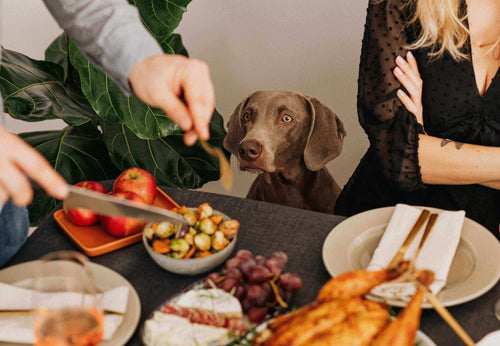
The issue isn’t that all dog bones are dangerous. The real problem is feeding table scraps like pork rib bones or beef ribs that weren’t designed for dogs in the first place.
There’s a big difference between leftovers from your plate and purpose-made dog chews.
Table Scraps vs. Purpose-Made Dog Bones
Rib bones from pork or beef ribs are meant for humans, not dogs. Cooked bones from dinner can splinter easily and weren’t processed with canine safety in mind.
Purpose-made dog bones and dog chews are created with dogs’ chewing habits in mind, which can make them a better option than table scraps like rib bones. Even so, no chew is completely risk-free, so choosing the right size and supervising chewing is always important.
Structure and Density Matter
Rib bones are thinner and more brittle than many other bones. Their structure makes them more likely to break into sharp pieces.
In contrast, purpose-made dog bones are crafted to be more durable and safer for chewing. Their density and design aim to reduce splintering and support safer digestion, lowering the risk of damage to the GI tract.
Safer Alternatives to Rib Bones
If your dog loves to chew, you don’t have to take that away. You just need to choose options that are safer for dogs. There are several dog chews designed to provide satisfaction without the same risks as rib bones.
Why Structured Dog Chews Are a Better Option
Structured dog chews are made to reduce splintering and sharp breakage. They’re created with canine digestion and chewing habits in mind.
These products can help satisfy your dog’s natural urge to chew while lowering the risk of choking or internal injury. They also support dental health by helping reduce plaque buildup during chewing.
Top Picks from Redbarn
At Redbarn, we’re proud to offer a variety of chew options designed specifically for dogs, with safety, durability, and digestibility in mind.
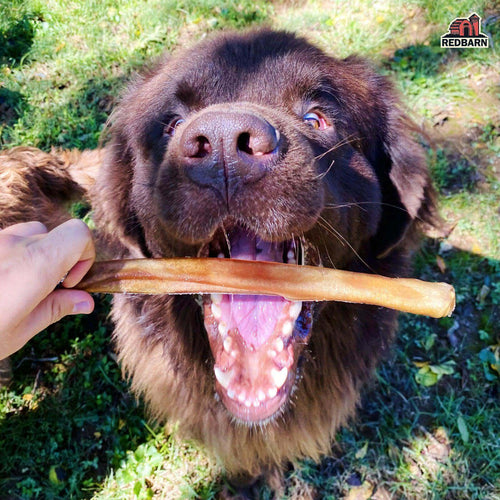
Our Bully Sticks are single-ingredient beef chews that are digestible and a popular alternative to risky bones. They provide long-lasting chewing satisfaction without the splintering concerns that come with rib bones.
We also offer Collagen Chews, made from natural beef collagen. These chews are firm and satisfying while still being easier to digest than many hard animal bones, making them a safer option for many dogs.
Redbarn Beef Cheek Rolls are another great choice. Made from natural beef cheek, they’re a durable chew option designed for long-lasting chewing satisfaction. As always, supervise chewing and remove small pieces to help reduce choking risk.
For pet parents who prefer a traditional-style chew, our Bones collection includes products made specifically for dogs and processed with safety in mind.
Supervised Chewing Still Matters
Even with safer dog chews, supervision is always important. While your dog enjoys their chew, keep a close eye on them to ensure their safety.
Be sure to remove any small leftover pieces that could pose a choking hazard. Additionally, choose a chew that suits your dog’s size and chewing style to minimize the risk of injury.
FAQs About Dogs and Rib Bones
Can my dog have one rib bone?
No, even one rib bone can be risky. Rib bones splinter easily and can cause choking, broken teeth, or digestive tract injury. It’s safer to avoid giving your dog rib bones altogether.
What kind of bones are okay for dogs?
Purpose-made dog bones and structured dog chews designed for safety are better options. These products are created to reduce splintering and support safer digestion compared to pork bones or beef rib bones from the table.
Are smoked bones safe?
Smoked bones are still cooked bones. Because they’ve been heat-treated, they can become brittle and more likely to splinter. That means they carry many of the same risks as other cooked bones.
Key Takeaways
● Rib bones are risky. Rib bones splinter easily and can create sharp bone fragments that damage the mouth or digestive tract. They can also become stuck and cause choking or blockage.
● Cooked rib bones are especially dangerous. Cooked pork rib bones and beef rib bones are more brittle and likely to splinter. This increases the risk of internal injury and serious health issues.
● Raw doesn’t mean safe. Raw pork bones and raw beef rib bones still pose a choking hazard and obstruction risk. They may also carry bacterial contamination concerns.
● Dental damage is common. Hard bones can break a dog’s teeth, leading to pain, infection, and expensive veterinary treatment. Dental health problems can affect overall wellbeing.
● Safer chews exist. Purpose-made dog chews like bully sticks, collagen chews, and beef cheek rolls are designed with safety and digestibility in mind. They’re a better option than leftover ribs from your plate.
Protecting Your Dog From Rib Bone Risks
Rib bones may seem harmless, but they can lead to choking, broken teeth, and serious digestive tract injuries. Even a single bone can cause problems that require veterinary care, so they’re best avoided altogether.
If you want to treat your dog, choose options made specifically for dogs and always supervise chewing. Taking a safer approach helps protect your dog’s health and reduces the risk of an emergency visit to the vet.