
20 Foods Harmful to Dogs and What Pet Parents Should Never Share
Share
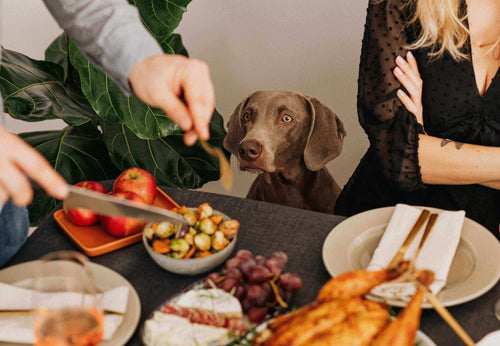
Have you ever looked down at your dog’s hopeful face during dinner and wondered whether one small bite would really hurt? While sharing is caring, many everyday human foods can cause anything from mild stomach upset to serious health issues, even when they seem harmless at first glance.
In this guide, we’ll cover 20 foods harmful to dogs, why they’re dangerous, the symptoms that matter most, and what you can reach for instead. Knowing which foods to avoid will help you protect your dog’s health without taking the fun out of treat time.
Why Some Human Foods Are So Dangerous for Dogs
Dogs don’t process food the same way people do. Some ingredients are toxic to dogs in only a small amount, while others can become harmful because they contain too much salt, fat, sugar, or bacteria that can upset a dog’s stomach.
That’s why it’s important to look beyond whether a food seems harmless. Even a small portion of leftovers may contain garlic, onions, chocolate, alcohol, or another ingredient that can create a bigger issue than you expect. The FDA’s guidance on potentially dangerous pet foods is a helpful reminder that many kitchen staples should stay out of your dog’s reach.
20 Foods Harmful to Dogs
Some of the following foods are toxic foods for dogs, while others are risky because they can cause choking, food poisoning, digestive trouble, or dangerous changes in blood sugar. Either way, it’s best to avoid feeding them and keep safer foods for dogs nearby.
1) Chocolate
Milk chocolate, dark chocolate, baking chocolate, and cocoa powder can all be dangerous for dogs. Chocolate contains theobromine and caffeine, which dogs process much more slowly than people do.
Dark chocolate and cocoa powder are usually more concentrated than milk chocolate, so they can be especially concerning. Chocolate toxicity may cause vomiting, restlessness, excessive thirst, an elevated body temperature, tremors, a racing heart rate, or even seizures.
2) Grapes and Raisins
Grapes and raisins are toxic foods for dogs because they can lead to sudden kidney damage. The difficult part is that there is no reliable “safe” amount, and one dog may react differently than another.
Even a small amount can be dangerous, especially for a smaller dog. If your dog eats grapes and raisins, contact your veterinarian immediately instead of waiting for symptoms such as vomiting, weakness, reduced appetite, or changes in thirst and urination.
3) Sugar-Free Gum
Sugar-free gum can contain xylitol, a sugar substitute that’s extremely dangerous for dogs. It may also appear in sugar-free candy, breath mints, baked goods, toothpaste, and some peanut butter products.
Xylitol can cause low blood sugar very quickly, which may lead to weakness, wobbliness, tremors, seizures, or collapse. Higher exposures can cause liver failure, so treat any suspected xylitol exposure as an emergency.
4) Macadamia Nuts
Macadamia nuts are another food that should never be shared with dogs. They can cause food toxicity even though experts have not fully identified the substance responsible for the reaction.
A dog that eats macadamia nuts may develop weakness, especially in the back legs, along with vomiting, tremors, stiffness, and an elevated body temperature. Because many macadamia products also contain chocolate, the risk can be even greater.
5) Alcohol
Alcohol can cause alcohol poisoning in dogs very quickly. Beer, wine, liquor, mixed drinks, alcohol-containing desserts, and even certain extracts can all create a serious problem.
Alcohol toxicity may cause vomiting, diarrhea, confusion, weakness, difficulty walking, low blood sugar, low body temperature, and difficulty breathing. In severe situations, alcohol poisoning can lead to coma or even death, so make sure to keep all alcoholic beverages out of reach from your dog.
6) Yeast Dough
Raw dough and bread dough can expand inside your dog’s stomach after it’s swallowed. This can cause painful bloating and retching, and it can become a life-threatening emergency.
Yeast dough also produces alcohol as it ferments. That means raw dough can create two problems at once: pressure inside the dog’s stomach and alcohol toxicity from the ethanol that develops.
7) Onions
Onions can damage red blood cells and may lead to anemia. They’re harmful in raw, cooked, dried, and powdered forms, so leftovers with onion in them are not a safe choice.
Red blood cell damage can cause weakness, pale gums, rapid breathing, dark urine, and reduced energy. Onion powder is especially easy to miss because it appears in soups, sauces, seasoning blends, chips, and many prepared foods.
8) Garlic
Garlic is part of the same plant family as onions and can also damage red blood cells if enough is eaten. Garlic may be hidden in marinades, takeout meals, sauces, soups, and seasoned meat.
A little garlic flavoring may not always cause an immediate reaction, but it’s still best to avoid feeding foods containing garlic. Repeated exposure or larger amounts can lead to more serious health issues, including anemia.
9) Raw Meat
Raw meat can carry bacteria such as Salmonella and Listeria. That raises the risk of food poisoning for your dog, especially if they’re very young, older, immunocompromised, or already dealing with digestive problems.
Raw meat can also spread bacteria around your kitchen through bowls, countertops, hands, and your dog’s saliva. A dog raw-food plan should be discussed with your vet rather than treated as an easy snack from the refrigerator.
10) Raw Eggs
Raw eggs can expose dogs to harmful bacteria, including Salmonella. That bacteria can make your dog sick and may also create a risk for people who handle contaminated food bowls or surfaces.
Plain cooked eggs can fit into many dogs’ diets when offered in moderation and without butter, salt, or seasoning. Raw eggs, however, bring avoidable risks when there are safer ways to share a protein-rich treat.
11) Cooked Bones
Cooked bones can splinter into sharp pieces when your dog chews them. Those pieces can cause mouth injuries, choking, intestinal blockages, or internal damage.
Chicken bones, turkey bones, ribs, and steak bones may all seem tempting to dogs after a meal. However, cooked bones are much riskier than many pet parents realize, especially when a dog tries to swallow a large piece.
12) Raw Potatoes and Tomatoes
Raw potatoes are not a good idea for dogs, especially when they’re green, sprouted, or still connected to the potato plant. These forms can contain compounds that may irritate the digestive system and cause more serious symptoms. Plain cooked potatoes or sweet potatoes are a safer choice when served without salt, butter, sugar, or spices.
Ripe red tomato flesh is non-toxic to dogs in small amounts, but green tomatoes, tomato leaves, and stems are not safe snacks for your dog. Tomato sauces and other prepared products may also contain onions, garlic, salt, or other ingredients that aren’t suitable for dogs.
13) Corned Beef
Corned beef is often too salty and too fatty for dogs. The curing process adds a lot of sodium, while the rich meat can be hard on a dog’s stomach.
Too much salt can lead to excessive thirst, vomiting, diarrhea, tremors, confusion, or sodium ion poisoning. Corned beef may seem like a simple sandwich ingredient, but it’s not a good fit for a dog’s diet.
14) Caffeine
Coffee, tea, energy drinks, soda, pre-workout products, and some desserts can all contain caffeine. Like chocolate, caffeine can overstimulate your dog’s nervous system and affect their heart rate and blood pressure.
Caffeine poisoning can cause restlessness, panting, vomiting, tremors, high blood pressure, and seizures. That’s why it’s so important to keep coffee grounds, tea bags, energy drinks, and caffeine-containing food products stored where your dog can’t reach them.
15) Apple Seeds
Apple flesh is usually fine for dogs in small, seedless pieces, but apple seeds are different. The seeds contain compounds that can release cyanide when they’re chewed and eaten in larger amounts.
Don’t panic if your dog swallows one whole seed by accident, but it’s still wise to remove apple seeds and cores before sharing slices. The core itself can also become a choking or blockage hazard.
16) Avocado
Eating avocados is not usually as dangerous for dogs as it is for some other animals, but avocado can still cause digestive upset. The high fat content may lead to vomiting, diarrhea, or abdominal discomfort.
The pit is often the bigger concern because it can become a choking hazard or cause an intestinal blockage. Guacamole is also off-limits because it commonly contains onions, garlic, salt, and other dangerous foods.
17) Dairy Products
Many dogs are lactose intolerant, which means cow’s milk and other dairy products can cause gas, bloating, diarrhea, and an upset stomach. Ice cream, cheese, and creamy leftovers may look harmless but can be more trouble than they’re worth.
Some dogs tolerate small amounts of dairy better than others. Still, dairy products are not essential to your dog’s diet, and there are better treat options that are easier on your pup’s health.
18) Very Fatty Foods
Fried foods, bacon grease, rich leftovers, butter-heavy dishes, and fatty meat trimmings can be difficult for a dog’s stomach to handle, and may cause vomiting, diarrhea, abdominal pain, and a loss of appetite.
In some dogs, a very rich meal may even contribute to pancreatitis, a painful and serious inflammation of the pancreas. To be safe, avoid sharing fatty desserts, fried food, or greasy leftovers with your dog.
19) Sugary Foods and Desserts
Sugary foods aren’t a healthy choice for dogs, even when they’re not toxic on their own. Cookies, cake, frosting, candy, and sweet drinks can upset your dog’s stomach and add unnecessary calories.
The biggest problem with sugary desserts is often the other ingredients hiding inside. Chocolate, raisins, xylitol, alcohol, macadamia nuts, and high-fat ingredients can turn a simple treat into a dangerous one.
20) Salty Snack Foods
Chips, pretzels, seasoned crackers, jerky, salted nuts, and other salty snack foods can contain far more sodium than your dog needs. These snacks may also include onion powder, garlic powder, or rich flavorings.
Too much salt can lead to excessive thirst, vomiting, diarrhea, weakness, tremors, or sodium ion poisoning. While a small amount of a salty snack might not affect a large dog, it can be particularly dangerous for smaller dogs. In any case, salty snacks are not a healthy reward for dogs of any size.
What to Do Instead of Sharing Human Foods
When your dog wants a treat, it’s much easier to make a safe choice when you have dog-specific options on hand. That way, you won’t have to guess whether a bite of leftovers, a dessert, or another snack will agree with your dog.
Choosing treats made for dogs can help you avoid risky ingredients while keeping treat time enjoyable. It also makes it easier to support your dog’s diet without relying on people foods that may be too salty, fatty, or sugary.
Safer Redbarn Options to Reach for Instead
Here at Redbarn, we believe treat time should feel simple, rewarding, and safe. Instead of sharing table scraps or snacks from your pantry, reach for dog-specific options like Bully Sticks, Collagen Chews, and other treats and chews made for dogs.
Every dog is different, so it’s important to choose a treat that fits your dog’s size, chewing habits, and dietary needs. And, of course, always make sure to supervise them while they enjoy their special snack. Not sure where to start? You can browse our full collection of dog treats and chews to find the perfect reward for your four-legged friend.
What to Do If Your Dog Eats Something Dangerous
If your dog eats something dangerous, stay calm and gather as much information as you can. Try to identify what your dog ate, how much was eaten, when it happened, and whether you still have the package or ingredient label.
If your dog consumes a known toxin or starts showing symptoms, call your vet right away. You can also contact the Pet Poison Helpline for guidance, but don’t try to induce vomiting or use home remedies unless a veterinary professional tells you to.
FAQs About Foods Harmful to Dogs
What human food is most toxic to dogs?
There’s not one single food that’s always the most toxic because the risk depends on what your dog ate, how much they ate, and their size. However, xylitol, grapes and raisins, chocolate, alcohol, onions, garlic, and macadamia nuts all deserve serious attention.
The best response is to treat these foods as off-limits and call for help quickly after an exposure. Waiting for symptoms can delay care, especially with toxic foods that can affect the kidneys, liver, red blood cells, or blood sugar.
What should I do if my dog eats chocolate?
Call your veterinarian or a pet poison resource as soon as possible. Be ready to share your dog’s weight, the type of chocolate, how much they ate, and when the chocolate was eaten.
Cocoa powder and dark chocolate are generally more dangerous than milk chocolate because they contain more theobromine. Your veterinarian can use those details to decide whether your dog needs treatment or monitoring.
Can a small amount of sugar-free gum hurt a dog?
Yes, it can. Sugar-free gum may contain xylitol, and even a small amount can cause dangerously low blood sugar in some dogs.
Check the package immediately and contact your veterinarian if xylitol is listed. Because xylitol can also lead to liver failure at higher doses, it’s not a situation where you should wait to see whether your dog feels sick.
Key Takeaways
● Not all people foods are safe. Some human foods are toxic to dogs, while others can cause choking, digestive upset, food poisoning, or dangerous changes in blood sugar. Keeping risky foods out of reach is one of the simplest ways to protect your dog.
● Small amounts can still matter. Grapes, raisins, xylitol, chocolate, alcohol, onions, and garlic can all create serious problems. A small serving may be enough to justify a call to your vet.
● Salt and fat can cause trouble. Corned beef, salty snack foods, fried dishes, and fatty leftovers can upset your dog’s stomach or create more serious concerns. These foods are not worth the risk as occasional treats.
● Check ingredient labels carefully. Gum, candy, desserts, sauces, and packaged snacks may contain ingredients you wouldn’t expect. Look for xylitol, chocolate, raisins, garlic, onions, alcohol, and macadamia nuts before offering anything.
● Keep dog-friendly rewards nearby. Dog-specific treats and chews make it easier to reward your dog without guessing whether a human snack is safe. A little preparation can make treat time safer and more enjoyable.
How Can You Keep Your Dog Safe Around Human Foods?
The most important thing to remember is that many foods made for people are not made for dogs. Some can cause mild stomach upset, while others may lead to kidney failure, liver failure, red blood cell damage, alcohol poisoning, or even death.
Keep dangerous foods stored safely, choose treats made for dogs, and act quickly if your pet eats something unsafe. By knowing what to avoid and having safer options ready, you can protect your dog’s health while still making every treat feel special.