
Is Lamb Good for Dogs? Benefits, Risks, and the Best Ways to Serve It
Share
Lamb has a healthy, high-protein reputation, so it’s easy to see why many pet parents wonder whether it belongs in a dog’s bowl too. It shows up in plenty of dog food, treats, and limited-ingredient recipes, which makes it sound like an easy yes.
In this article, we’ll look at whether lamb is good for dogs, the benefits and potential risks to keep in mind, when lamb may be a smart protein choice, and which Redbarn lamb products are worth considering.
Is Lamb Good for Dogs?
Yes, dogs can eat lamb, and for many dogs it can be a nutritious protein source. Lamb provides high-quality protein, essential amino acids, healthy fats, and important nutrients that support overall dog nutrition. Dogs need essential amino acids from their diet, and animal proteins can help supply those building blocks when they’re part of a balanced diet.
But is lamb always the best choice for every dog? Not necessarily. How it’s prepared, how much your dog eats, and how it fits into their overall diet are all important factors to consider.
Why Some Dogs Do Well With Lamb
Some dogs enjoy the taste of lamb because it has a rich flavor that’s different from chicken or beef. That can make lamb for dogs a useful option for picky eaters, especially if your furry friend has started turning away from the same old chicken dog food.
Lamb may also help dogs that need more variety in their meals. For some dogs with food sensitivities, lamb works well when it’s a novel protein, meaning it’s new to that dog and hasn’t been part of their regular meals before.
What Lamb Adds to a Dog’s Diet
Lamb meat contains protein, amino acids, B vitamins, iron, and fatty acids. Those nutrients can help support energy levels, skin health, normal red blood cell production, immune systems, and the everyday work of your dog’s cells. That’s one reason many dog foods include lamb or lamb meal.
Lamb is also a red meat, so it tends to be nutrient rich and flavorful. Some formulas use high-quality lamb, grass fed lamb, or pasture raised lamb, but the bigger point is balance. A lamb-based diet still needs complete nutrition, not just a good main ingredient.
Is Lamb Better Than Other Proteins?
Lamb is not automatically better than chicken or beef, but it can be a better fit for some dogs. The best protein source depends on your dog’s digestion, taste preferences, health needs, and any history of food allergies.
When looking at lamb compared with chicken or beef, think less about which meat is “best” and more about which one your dog handles well. Many dogs thrive on common proteins, while others do better with a different recipe.
When Lamb May Be a Better Fit
Lamb may make sense if your dog seems bored with common proteins or does better with a different recipe. If mealtime has turned into a staring contest, switching to a lamb-based dog food may make meals more appealing.
It can also be worth considering if your dog has sensitive digestion and you want to try something other than another chicken dog food formula. For some dogs, adding lamb slowly can make the transition easier and help you see whether the change supports appetite, stool quality, and comfort.
What to Know About Food Allergies
Lamb is often described as a hypoallergenic protein, but that doesn’t mean it’s allergy-proof. A protein is only “novel” if your dog hasn’t eaten much of it before. Common reported food allergies in dogs include chicken, beef, dairy, and egg, often because dogs have been exposed to those ingredients frequently.
If your dog has itchy skin, chronic ear infections, vomiting, diarrhea, or repeated allergic reactions, don’t guess your way through different foods. The most accurate way to diagnose a food allergy is an elimination diet trial under veterinary guidance.
What Are the Potential Risks of Lamb for Dogs?
Lamb can be a great option, but there are still a few things to watch. The biggest concerns usually come from rich cuts, excess fat, and unsafe forms like raw lamb or lamb bones.
Like any protein, lamb works best when it’s fed carefully and in the right form. Even a healthy ingredient can cause problems if it’s too fatty, too heavily seasoned, or fed in a way that throws off your dog’s regular nutrition.
Too Much Fat Can Be a Problem
Lamb fat can be rich for some dogs. If dogs eat lamb fat in large amounts, it may cause digestive upset, including loose stool, gas, or vomiting. It can also make it harder to maintain a healthy weight if fatty scraps become a regular habit.
So, can dogs eat lamb fat? Small amounts attached to lean cooked lamb may not bother some dogs, but fatty trimmings are not a smart treat. Dogs with sensitive stomachs, a history of pancreatitis, or weight concerns should be especially careful with rich meats and other high-fat foods.
Why Raw Lamb and Bones Need Caution
Raw lamb is not the safest place to start for most dogs. Raw pet food can be more likely than other pet foods to be contaminated with disease-causing bacteria, including Salmonella and Listeria monocytogenes.
It’s also smart to avoid raw lamb and be cautious with raw bones or cooked lamb bones. Raw pet foods can raise cross-contamination concerns for people, and dogs can still become ill from bacteria even if they’re more resistant than humans. If you want to feed lamb, cooked lamb or complete lamb-based dog food is usually the easier route.
What Kind of Lamb Is Best for Dogs?
The best kind of lamb for dogs is simple, properly prepared, and easy to fit into a balanced diet. That might mean cooked lamb meat, lamb meal in a complete dog food, or dog treats made with lamb.
The goal is to choose forms of lamb that are safe for your dog to eat, not your seasoned or fatty leftovers. Safe lamb options should support your dog’s overall diet rather than crowding out other essential nutrients.
Good Lamb Options to Consider
Plain cooked lamb in small amounts can be a simple way to let your dog try lamb. Keep it unseasoned, trim excess fat, and treat it as an add-on rather than the whole meal unless you’re following a complete recipe created with veterinary guidance.
Lamb-based dog food is another practical choice because it’s designed to be part of your dog’s regular nutrition. Lamb meal can also be useful in dog food because it’s a concentrated animal protein ingredient, but the full recipe matters more than one ingredient on the label.
Lamb treats made for dogs can work well when you want a simple reward, training bite, or occasional chew. Limited-ingredient recipes may also help pet parents who want fewer ingredients while they’re watching for food sensitivities.
What to Avoid
Avoid raw lamb unless you’re working closely with your vet and understand raw feeding risks. It’s also best to avoid highly seasoned lamb meant for people, especially if it contains garlic, onion, heavy salt, rich sauces, or other ingredients that can harm your dog’s health.
In addition, avoid fatty scraps, cooked bones, raw bones that are the wrong size or texture, and anything that disrupts your dog’s balanced nutrition. Dogs eat lamb best when it’s simple, measured, and chosen with the full diet in mind.
How to Add Lamb to Your Dog’s Diet
If you want to feed your dog lamb, keep the switch simple. Start with a small amount and see how your dog handles it.
Whether you’re adding lamb as a treat, topper, or full food change, a gradual approach usually works best. This gives your dog’s digestive system time to adjust and gives you time to spot any changes.
Start Small and Watch for Changes
Any new food can cause stomach trouble if you move too fast. Start with a small amount of cooked lamb, a lamb treat, or a gradual mix-in of lamb dog food, then watch for loose stool, vomiting, itching, gas, or changes in appetite.
If lamb doesn’t seem to agree with your dog, it may not be the right protein for them. That doesn’t mean lamb is bad or unsafe for dogs in general. It just means your dog’s body may prefer another option.
Keep the Full Diet in Mind
Lamb should fit into your dog’s overall diet, not compete with it. That means thinking about portion size, calories, other treats, and whether your dog is getting balanced nutrition from the bigger picture.
Even a good ingredient can become a problem if it unbalances a complete diet. If you’re using lamb as a topper, keep it modest. If you’re switching to lamb-based diet options, choose a complete and balanced food suited to your dog’s life stage.
Redbarn Lamb Options to Consider
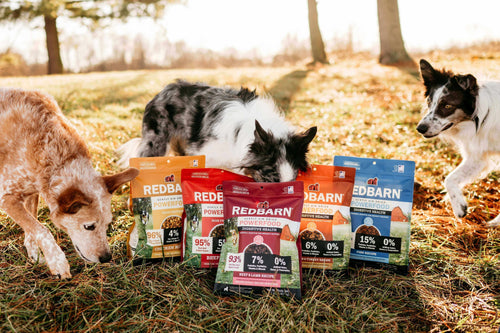
Want to try lamb in a dog-friendly form? At Redbarn, we offer several options that make it easy to add this protein to your dog’s routine. Whether you’re looking for a crunchy treat, a lighter chew, or a lamb-inclusive food option, there are a few simple ways to get started.
One crunchy option to consider is Redbarn Lamb Lung Filets. They’re made with lamb lung as the only ingredient and have 62% minimum crude protein. We designed them as a crunchy, high-protein, minimal-fat treat that can also help support dental health through chewing.
If you’re looking beyond treats, our Digestive Health Beef & Lamb Recipe is a lamb-inclusive air-dried food option made to support digestion. This recipe uses postbiotics to support healthy stools and a healthy microbiome, making it a good fit for pet parents who want lamb in a more complete food format.
Our Semi-Moist Rolled Food Lamb Recipe offers another flexible way to add lamb to your dog’s meals. You can use it as a full feed, food topper, training treat, or pill concealer, depending on what works best for your dog.
No matter how you slice it, lamb offers a fantastic way to treat your dog to something special. So why not give one of these delicious options a try? Your furry friend will thank you for it.
FAQs About Lamb for Dogs
Can I feed my dog lamb everyday?
Yes dogs can eat lamb every day if it’s part of a complete and balanced dog food that fits their needs. A properly formulated lamb dog food can be used as a regular diet when it provides the right nutrients for your dog’s life stage.
Plain cooked lamb, though, shouldn’t replace a complete diet on its own. If you’re feeding homemade lamb meals every day, work with your vet or a board-certified veterinary nutritionist so your dog doesn’t miss key nutrients.
Is lamb better for dogs than chicken?
Lamb isn’t automatically better than chicken. Chicken is a common protein in many dog foods, and many dogs do very well on it.
Lamb may be a better fit for dogs that don’t tolerate chicken well, need a novel protein, or prefer the flavor of red meat. The best choice is the one your dog digests well and enjoys while still getting balanced nutrition.
What is the healthiest meat for a dog?
There isn’t one healthiest meat for every dog. Chicken, turkey, beef, fish, and lamb can all offer nutritional benefits when they’re prepared safely and included in a balanced diet.
For most dogs, the healthiest option is a complete dog food that matches their age, size, activity level, and health needs. If your dog has food allergies, a sensitive stomach, or a medical condition, your vet can help you choose the best protein source for them.
Key Takeaways
● Dogs can eat lamb. Lamb can be a good protein source for many dogs when it’s cooked plainly or included in a complete dog food. It provides protein, amino acids, healthy fats, B vitamins, and other essential nutrients that support normal body function.
● Lamb may help some sensitive dogs. Lamb may work well for dogs with food sensitivities when it’s a novel protein they haven’t eaten much before. However, lamb isn’t automatically hypoallergenic, and dogs with true food allergies should be managed with veterinary guidance.
● Preparation matters. Cooked lamb is a safer choice than raw lamb for most dogs. Avoid raw lamb, fatty scraps, heavy seasoning, and lamb bones because they can create food safety, choking, or digestive concerns.
● Treats should stay moderate. Lamb treats and chews can be useful, especially for picky eaters, but they shouldn’t take over your dog’s diet. Keep portions reasonable so your dog can maintain a healthy weight and balanced nutrition.
● Explore lamb options from Redbarn. We offer several ways for your dog to enjoy lamb, including Lamb Lung Filets, Lamb Ear, our Digestive Health Beef & Lamb Recipe, and our Semi-Moist Rolled Food Lamb Recipe. Whether you’re looking for a treat, chew, topper, or complete meal, there’s an option that fits your needs.
Is Lamb a Good Choice for Your Dog?
So, is lamb good for dogs? For many dogs, yes. Lamb can be a nutrient rich, high-quality protein that supports energy levels, skin health, immune systems, and overall canine nutrition when it’s included as part of a balanced diet.
The key is to feed lamb thoughtfully. Start small, avoid raw lamb and bones, watch your dog’s response, and choose dog-safe lamb products when you want a simple option. If your dog has allergies, sensitive digestion, or ongoing symptoms, your vet can help decide whether lamb belongs in their bowl.