
Can Dogs Eat Raw Meat? Why the Risks Usually Outweigh the Benefits
Share
Is raw meat really a healthier, more meat-forward choice for your dog? It can sound natural and straightforward at first, but raw feeding is rarely as simple as it seems once you consider food safety, nutrition, and your dog’s individual needs.
In this guide, we’ll look at whether dogs can eat raw meat, why raw diets appeal to some pet parents, and where the risks come in. We’ll also cover safer Redbarn alternatives that may make more sense for most dogs and households.
Can Dogs Eat Raw Meat?
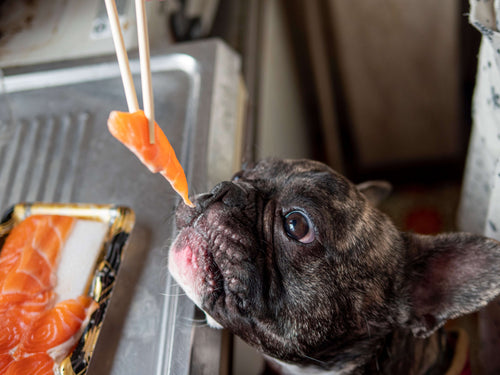
Dogs can technically eat raw meat, and many dogs will happily eat it when given the chance. However, being able to eat raw meat doesn’t automatically make it the safest or healthiest choice for your dog’s everyday diet.
The bigger question is whether feeding raw meat is a smart idea in a modern home. For most pet parents, the risks tied to bacteria, food handling, and nutritional imbalance usually outweigh the claimed benefits.
Why Some Pet Parents Are Drawn to Raw Feeding
Raw diets are often marketed as a less processed way to feed dogs. A raw meat-based diet may include uncooked muscle meat, organs, bones, raw eggs, fish, and small amounts of fruits or vegetable matter.
Some pet parents also hear that raw food can improve stool quality, energy, skin, or overall health. Those benefits can sound appealing, but it’s important to look at the full picture before making a change to your dog’s food.
Why It Sounds Appealing
Raw feeding can feel simple because it puts meat at the center of your dog’s diet. For pet parents looking for a more natural approach, raw meat, organs, and bones may seem more recognizable than a bag of commercial pet food.
It’s also easy to connect raw diets with the way wild animals eat. However, domesticated dogs have different routines, health needs, and life stages, so their nutrition should be based on more than what sounds natural in theory.
Why the Benefits Aren’t So Clear
The claimed benefits of raw food diets often come from personal stories rather than strong scientific evidence. A dog may seem excited about raw food, but enthusiasm at mealtime doesn’t prove that the diet is better for their digestive system or long-term health.
Changes in stool quality, appetite, or energy can happen when a dog switches to many different foods. A complete, balanced cooked food may offer similar benefits without exposing your dog or household to the same risks.
Why the Risks Usually Matter More
Raw feeding becomes a bigger issue once you look beyond the bowl. Bacterial contamination and nutritional imbalance can affect your dog’s health, while raw food can also create human health risks in the home.
That doesn’t mean every dog that eats raw meat will get sick. Still, the American Veterinary Medical Association advises against feeding dogs raw or undercooked animal-source protein because of the potential risks for pets and people.
Bacterial Contamination
Raw meat can carry bacteria linked to foodborne illnesses, including Salmonella and Listeria. Your dog may become sick after eating contaminated food, but they can also carry harmful bacteria without looking ill and spread it through saliva or stool.
The risk doesn’t stop with your dog. Raw food can contaminate bowls, countertops, cutting boards, hands, and refrigerator surfaces, which is why the FDA’s raw pet food safety guidance urges caution for both pets and people.
Nutritional Imbalance
A raw meat diet needs more than meat to meet your dog’s nutritional needs. Dogs need the right balance of protein, fatty acids, vitamins, minerals, and other nutrients to support their muscles, bones, immune system, skin, coat, and organs.
Homemade raw diets can be especially difficult to balance properly over time. Even when a meal looks nutrient-rich, nutritional deficiencies can develop when it doesn’t provide all the nutrients your dog needs in appropriate amounts.
What Else Can Go Wrong With Raw Meat Diets?
Even when raw feeding is done with good intentions, it can create practical problems. Building a complete diet, handling uncooked food safely, and deciding whether bones or eggs belong in the bowl can quickly become more complicated than expected.
That added complexity matters because your dog depends on you for every meal. What begins as a simple raw feeding routine can become difficult to store, prepare, clean up after, and balance for the long term.
“Just Raw Meat” Isn’t Enough
Just raw meat is not enough to create a complete diet for most dogs. Uncooked muscle meat provides protein, but it doesn’t automatically supply the full nutritional content your dog needs throughout different life stages.
A diet consisting of only meat can fall short on important vitamins, minerals, fatty acids, and other nutrients. Adding fresh fruits, vegetables, fish, or other ingredients may change the recipe, but it doesn’t guarantee nutritional adequacy.
Raw Bones and Raw Eggs Add More Risk
Raw bones don’t eliminate all of the concerns linked to bones. Dogs can still crack teeth, choke, swallow large pieces, or develop an obstruction after chewing on or eating part of a bone.
Raw eggs can add food-safety concerns because they may carry bacteria. The more moving parts a homemade food plan includes, the easier it becomes to make a mistake with food storage, handling, or nutritional balance.
Some Dogs and Homes Are Higher Risk
Puppies, senior dogs, and dogs with health issues may be less equipped to handle the downsides of raw food. Dogs with weaker immune systems or sensitive digestive systems may have a higher risk of becoming ill after bacterial exposure.
Raw feeding is also a household decision, not just a dog food decision. Homes with young children, older adults, pregnant people, or anyone with a compromised immune system should be particularly cautious about bringing raw meat diets into the kitchen.
What Makes More Sense Than Raw Meat?
For most dogs, cooked food or complete and balanced commercial pet food is a safer and more practical option than raw meat. Cooking meat can lower bacteria-related risks, while properly formulated food can provide the nutritional balance your dog needs without the same guesswork.
If you’re interested in homemade food, talk with your vet before making a major change. Your dog’s age, size, activity level, medical history, and nutritional needs should all play a major role in deciding what belongs in their bowl.
Safer Redbarn Alternatives to Raw Meat
Here at Redbarn, we understand why meat-forward feeding appeals to pet parents. You want food that feels satisfying and wholesome for your dog, but you also want something that’s practical to serve and easier to trust in your everyday routine.
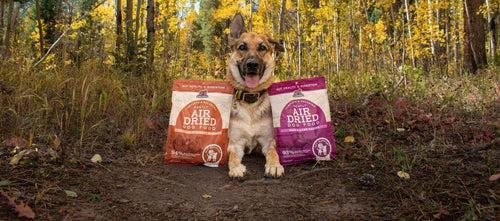
Our Gently Air Dried Powerfood offers a convenient alternative to raw feeding. It’s made with real beef or chicken, organ meats, flaxseed, salmon oil, and added vitamins and minerals, then gently air dried to remove moisture without high heat. You can use it as a full feed, mix-in, or topper, depending on your dog’s routine.
For a softer option, Redbarn Rolled Food can be sliced or cubed for meals, shredded over food as a topper, or cut into bite-sized pieces for treats, training, and pill hiding. It’s available in beef, chicken, and lamb recipes and can be stored without refrigeration until opened, which makes it much easier to keep on hand than raw food.
Chew time can feel simpler, too. Our Bully Sticks are slow-roasted, single-ingredient beef pizzle chews that give dogs a satisfying, long-lasting chewing experience. If your dog prefers a different texture, our Beef Collagen Chews come in various shapes, including sticks, braids, and rings, so you can choose an option that best fits their chewing style.
No matter which chew you choose, always select an appropriate size and supervise your dog while they chew.
FAQs About Raw Meat for Dogs
Can dogs eat raw meat safely?
Dogs may eat raw meat without becoming visibly sick, but that doesn’t make it a risk-free choice. Raw meat can carry bacteria that may affect your dog, contaminate your home, and create health concerns for the people handling it.
The risk may be greater for puppies, senior dogs, and dogs with existing health issues. For most pet parents, choosing a complete, properly formulated food is the simpler and safer option.
What’s a safer alternative to raw meat for dogs?
A complete and balanced cooked food is often a safer alternative to a raw food diet. It can provide protein, vitamins, minerals, and other essential nutrients without requiring you to handle uncooked meat.
Meat-forward options such as air-dried food, rolled food, and dog-specific chews can also fit into your dog’s routine. The best choice depends on your dog’s age, size, activity level, dietary needs, and your vet’s guidance.
Are raw bones safe for dogs?
Raw bones can still create risks, even though they’re different from cooked bones. Dogs may crack teeth, choke, swallow large pieces, or develop an obstruction after chewing on a raw bone.
Raw bones can also carry bacteria. If your dog loves to chew, choose an appropriately-sized dog chew, supervise closely, and remove small pieces before they become a choking hazard.
Key Takeaways
● Raw meat comes with real risks. Dogs can eat raw meat, but bacterial contamination and nutritional imbalance can make raw diets difficult to manage safely. Raw feeding can also create extra work around storage, preparation, and cleanup.
● Just raw meat is not a complete diet. Meat by itself doesn’t provide all the nutrients your dog needs. A complete diet needs the right balance of protein, fatty acids, vitamins, minerals, and other essential nutrients.
● Raw feeding affects the whole household. Raw pet food can spread bacteria through bowls, hands, surfaces, saliva, and stool. That’s especially important in homes with young children, older adults, or immunocompromised family members.
● Bones and eggs add more concerns. Raw bones can create dental, choking, and blockage risks, while raw eggs can bring added food-safety issues. Every extra ingredient makes homemade raw diets more difficult to manage correctly.
● Safer, meat-forward options are available. Complete and balanced cooked or commercial foods can provide a practical alternative to raw feeding. Redbarn’s Air Dried Powerfood and Rolled Food are meat-forward options for mealtimes, while our dog-specific chews can offer a satisfying, supervised chewing outlet without relying on raw bones or raw meat.
Is Raw Meat Worth the Risk for Your Dog?
Raw meat may sound like a simple, natural choice, but it comes with more risks than many pet parents expect. Between bacterial contamination, nutritional deficiencies, raw bones, and the challenge of balancing homemade raw diets, feeding raw meat can become complicated quickly.
For most dogs, a complete, properly formulated food is the safer and more practical choice. By choosing an option that fits your dog’s needs and your household routine, you can provide satisfying nutrition without taking on the extra risks that come with raw feeding.