
Can Dogs Eat Brown Rice? A Simple Guide for Pet Parents
Share
Brown rice is one of the most popular foods in many human diets, which naturally leads pet parents to ask whether it’s something dogs can eat too. If you’ve ever looked at your plate and wondered whether it’s safe to share a spoonful of brown rice, this guide is for you.
You may have also heard mixed advice about grains, grain-free diets, and whether brown rice or white rice is better for dogs. In this article, we’ll look at whether dogs can eat brown rice and explore its potential health benefits and risks. We’ll also compare it to white rice and explain how to safely feed it to your dog.
Is Brown Rice Safe for Dogs?
Dogs can eat brown rice when it’s cooked properly and fed in appropriate portions. Brown rice is generally safe for most dogs and is commonly used in both homemade meals and commercial dog foods.
That said, brown rice should be viewed as part of a balanced diet, not a main protein source. Dogs need high quality protein, healthy fats, and essential nutrients to maintain optimal health, and rice plays a supporting role rather than a starring one.
Preparation and portion size matter as well. Plain, fully cooked brown rice is far easier for dogs to digest than raw or undercooked rice, and too much can lead to digestive upset or unnecessary weight gain.
Brown Rice Nutrition and What It Offers Dogs
Brown rice is considered a whole grain, which gives it different nutritional content than refined grains like white rice. These differences affect how dogs digest it and what nutrients it provides.
Understanding exactly what brown rice offers will help you decide if it’s the right choice for your dog's dinner bowl.
Whole Grain Benefits
Brown rice is a whole grain because its outer layers remain intact. This includes the bran and seed coat, which are removed during the refining process used to make white rice.
These outer layers contain much of the grain’s nutrient content. Because they remain intact, whole grains digest more slowly than refined grains, which can affect energy release and digestion in dogs.
Fiber and Digestive Health
Brown rice contains both soluble fiber and insoluble fiber. This natural fiber may support healthy digestion by promoting regular bowel movements and gut function.
However, too much fiber can cause digestive upset in some dogs. Dogs experiencing diarrhea or loose stools may struggle to tolerate brown rice, especially in larger portions.
Energy, Vitamins, and Minerals
Brown rice is a complex carbohydrate that provides steady energy rather than quick spikes. When included as part of a balanced diet, this helps maintain consistent energy levels and strong muscle function in adult dogs.
It also contains B vitamins and essential amino acids that support overall health, immune health, and metabolism. While brown rice contributes nutrients, it should always be paired with high-quality protein and healthy fats.
Brown Rice vs. White Rice for Dogs
Many pet parents compare brown and white rice when choosing what to feed their dogs. While both can be safe, they serve slightly different purposes depending on a dog’s needs.
Understanding these differences helps you choose the right option at the right time.
Digestibility Differences
White rice is easier to digest than brown rice because its outer layers have been removed. This makes white rice a common choice for dogs with sensitive stomachs or digestive issues.
Brown rice digests more slowly due to its higher fiber content. While this can be beneficial for healthy digestion in many dogs, it may not be ideal during periods of GI upset.
Nutritional Differences
Brown rice has higher fiber and nutrient content than white rice. This includes more vitamins, minerals, and natural fiber from the bran.
White rice has a higher glycemic index and provides quick energy. This can be useful in a bland diet when dogs need easy-to-digest food without added digestive strain.
When Each Option Makes Sense
Brown rice often works well for healthy adult dogs that tolerate grains without issue. It can support balanced nutrition when included in properly formulated dog foods.
White rice is often better for short-term feeding during digestive upset or recovery. There’s no single “best” grain, and flexibility matters more than strict rules.
Potential Risks of Feeding Brown Rice to Dogs
Even common ingredients like rice can cause issues for some dogs. Paying attention to how your dog responds is just as important as knowing what’s generally safe. Here are a few potential risks to watch out for if you decide to feed your dog brown rice:
Digestive Upset and Gastrointestinal Issues
Some dogs may experience gas, loose stools, or discomfort after eating brown rice. Dogs experiencing diarrhea often tolerate white rice better than brown rice during flare-ups.
If GI upset appears after adding rice, it may be a sign that the portion size is too large or that brown rice isn’t the best choice for that particular dog.
Grain Sensitivities and Allergies
True grain allergies are less common than sensitivities, but they do exist. Some dogs do better on a grain-free diet due to digestive issues or itchy skin.
Symptoms of sensitivities may include digestive upset, loose stools, or skin irritation. If you suspect your dog has a grain allergy, your vet can help you figure out what to feed them.
Portion Size and Balance
While brown rice is a great source of energy, it should never replace high-quality animal protein. Dogs thrive on protein-rich diets where carbohydrates play a secondary role.
So, how do you find the right balance? It’s all about proportions. Keeping protein front and center ensures your pup gets the nutrients they need to stay healthy and active for years to come.
Brown Rice in Dog Food
Brown rice is a common ingredient in many dog foods because it provides carbohydrates, fiber, and energy. When used properly, it supports balanced nutrition rather than acting as filler.
High-quality formulations use brown rice alongside protein, healthy fats, vitamins, and minerals. Lower-quality foods may rely too heavily on grains as unnecessary fillers.
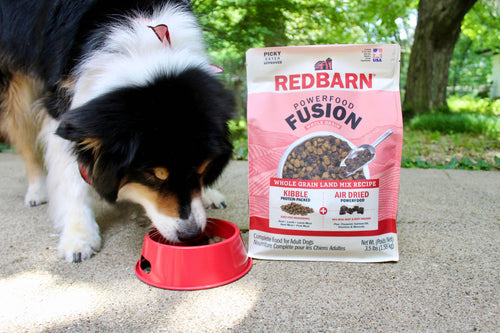
At Redbarn, brown rice is included in select recipes where it makes nutritional sense. You’ll find brown rice in our Whole Grain First-Five Kibble, where it’s balanced with quality protein sources and essential nutrients to support overall health.
How to Safely Add Brown Rice to Your Dog’s Diet
If you’re adding brown rice at home, make sure it’s fully cooked and plain. Raw or undercooked rice is difficult to digest, and added seasonings, oils, butter, or salt should always be avoided.
Introduce brown rice gradually to reduce the risk of digestive upset. Start with small amounts mixed into your dog’s meals and watch for changes in stool or behavior.
As mentioned earlier, portion size is important. Remember, brown rice should only be a small supplement to your dog's diet, not a replacement for high-quality protein.
For many pet parents, using high-quality commercial dog food is a safe and convenient way to include brown rice without the need for guesswork. Just make sure to talk to your vet before adding rice if your dog has a sensitive stomach, underlying health issues, or special dietary needs.
When Brown Rice May Not Be the Best Choice
Brown rice may not be ideal for dogs with sensitive stomachs or frequent GI upset. In these cases, white rice or other grains may be easier to digest.
Dogs on grain-free diets for medical reasons should avoid brown rice altogether. Puppies, senior dogs, and dogs with specific health conditions may also have different nutritional needs. Every dog is different, and individual needs should always come first when choosing foods.
FAQs About Dogs and Brown Rice
Is brown rice better for dogs than white rice?
Brown rice isn’t always better. It offers more fiber and nutrients, but white rice is easier to digest and often preferred during digestive issues.
How much brown rice can I give my dog?
Brown rice should only make up a small portion of your dog’s meals. Portion size depends on your dog’s size, activity level, and overall diet.
Can I feed my dog brown rice and chicken every day?
A brown rice and chicken diet may work short term but isn’t balanced for long-term feeding. Dogs need a variety of nutrients that go beyond protein and rice alone.
Key Takeaways
● Dogs can eat brown rice safely. It’s generally safe when fully cooked and fed in moderation.
● Brown rice is a whole grain. Its bran and seed coat provide fiber and nutrient content.
● Digestibility varies by dog. Some dogs tolerate white rice better, especially during digestive upset.
● Balance matters most. Brown rice should support, not replace, protein in a dog’s meals.
● Quality dog food simplifies feeding. High-quality dog foods with brown rice remove guesswork and support balanced nutrition.
Can Brown Rice Be Part of a Healthy Dog Diet?
For many dogs, brown rice can be a helpful part of a balanced diet when used correctly. It offers energy, fiber, and nutrients that support overall health without needing to be a daily focus.
If you’re unsure whether brown rice fits your dog’s needs, your vet can help guide you. With thoughtful choices and attention to balance, brown rice doesn’t have to be a confusing ingredient for pet parents.